


Tag der deutschen Einheit – How Germany Reunified
- Sebastian Rapley Mende

- Sep 23, 2025
- 7 min read
Updated: Oct 12, 2025

On 3 October, Germany will celebrate a significant national holiday: Tag der deutschen Einheit (or ‘Day of German Unity’). This day celebrates the official unification on 3 October 1990 of the former West Germany and East Germany after decades of separation following the end of the Second World War. This event, alongside the fall of the Berlin Wall in November the previous year, signified the end of communist rule in East Germany and was part of the events across the Eastern Bloc that toppled communist regimes and culminated in the collapse of the Soviet Union.

After the defeat of Nazi Germany in the Second-World War, the country was occupied by the four allied nations: France, the Soviet Union, the UK and the United States. In 1949, amidst growing tensions between the western nations and the Soviet Union, the three western occupation zones under France, the UK and the United States were merged into a new country, the Federal Republic of Germany or West Germany, whilst the Soviet occupation zone was transformed into the German Democratic Republic, or East Germany. This created one of the most symbolic divisions of the Cold War, a divided Germany, split between the communist east and liberal-democratic west.
West Germany was characterised by a social market economy, combining a strong welfare state with a market economy, set within the framework of a liberal democracy. West Germany experienced the ‘Wirtschaftswunder’, or economic miracle, of the 1950s, which led it to become the world's second-largest economy by the late 1950s. West Germany was also a founding member of the European Economic Community (EEC, the predecessor to the EU), in 1957. In East Germany, a centrally planned economy and communist state were established, controlled by the 'Sozialistiche Einheitspartei Deutschlands' (SED, Socialist Unity Party of Germany) and modelled on the Soviet Union. The East German regime was supported by a secret police, the 'Staatssicherheit' or Stasi. Many East Germans sought to emigrate to West Germany, to flee persecution and seek a higher standard of living.
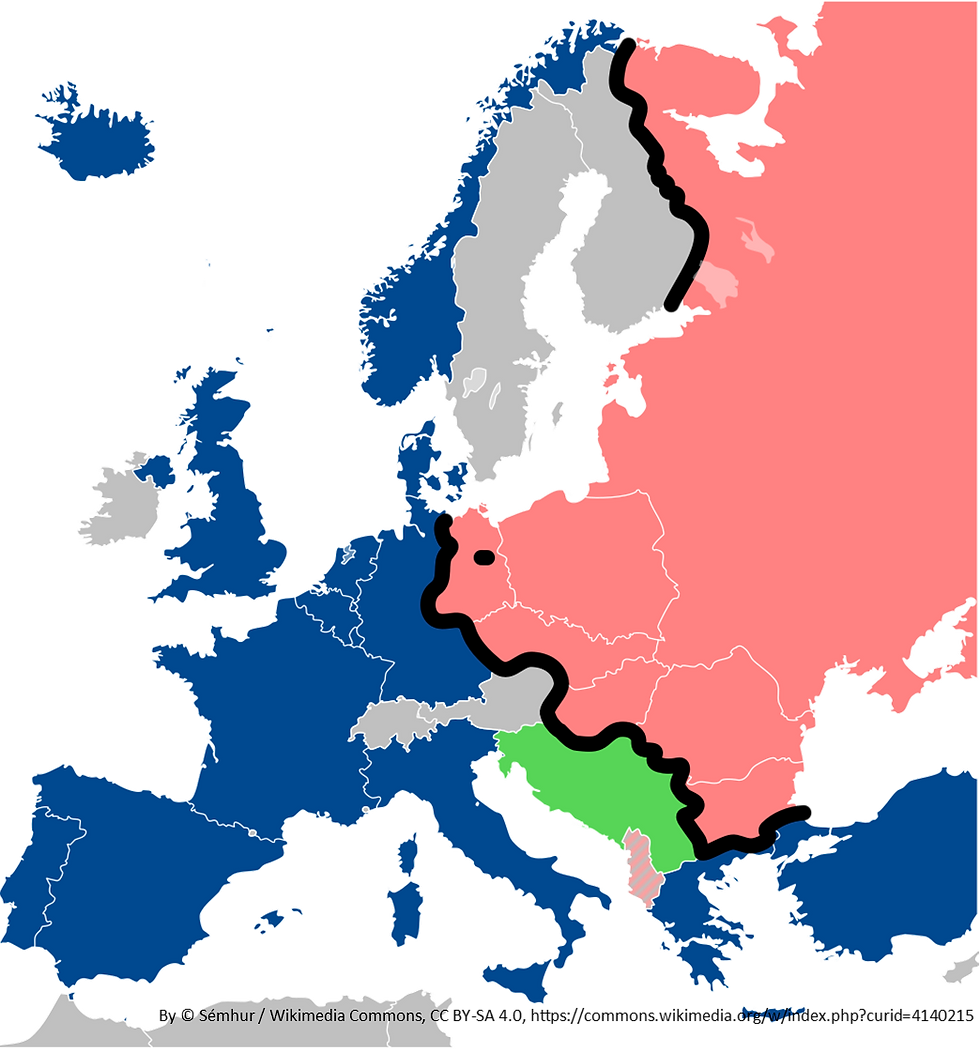
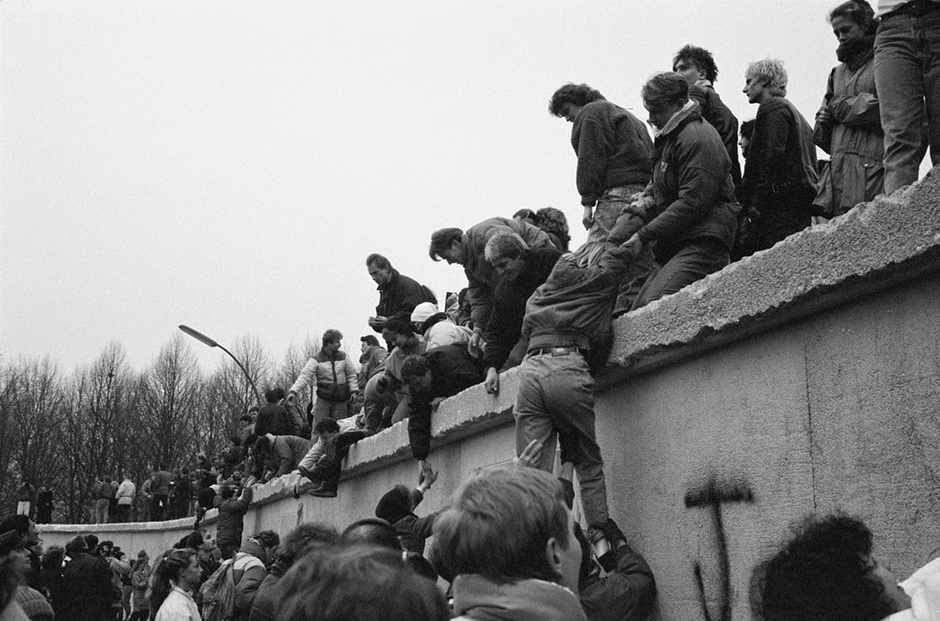
The fall of the Berlin Wall marked the beginning of the unification process. Since 1949, the city of Berlin had been divided into East and West Berlin, mirroring the division of Germany. In August 1961, the East German regime built the Berlin Wall to prevent people in the east from moving to the west of the city, after East Germany had lost up to a sixth of its population through emigration to the west Barriers similar to the Berlin Wall were erected along the whole border between East and West Germany. An estimated 140 people died trying to cross the Berlin Wall, from East to West Berlin.
However, in November 1989, in the wake of growing public resistance against the ruling regimes across the Eastern Bloc and following the resignation of the leader of the East German regime Erich Honecker, the East German authorities decided to open the border to West Berlin.

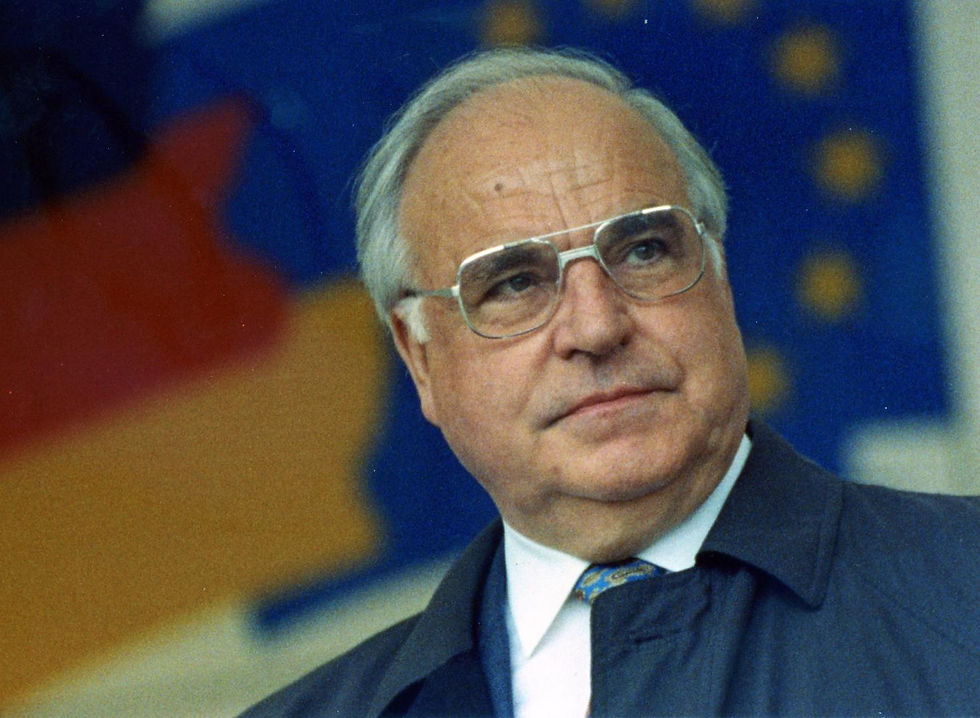
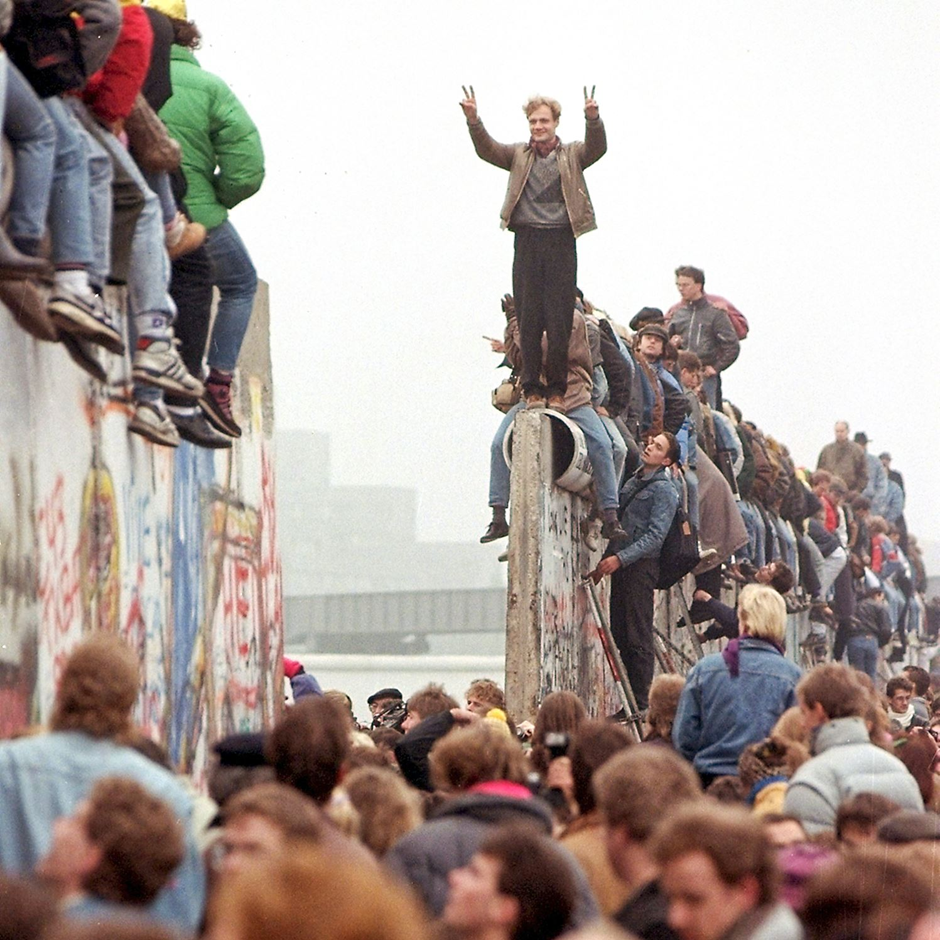
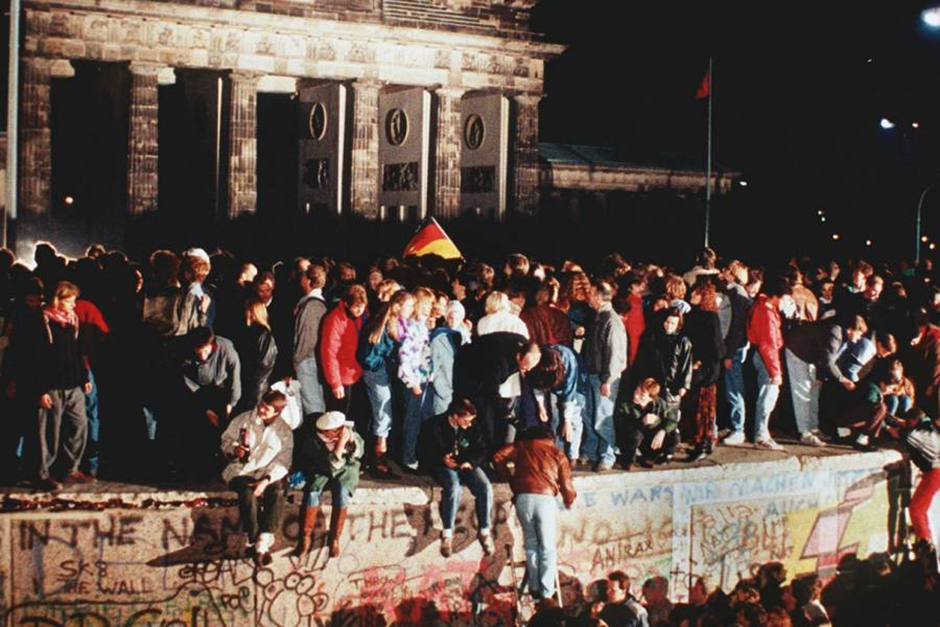
Soon after the fall of the Berlin Wall, West German Chancellor Helmut Kohl laid out a programme for cooperation and eventual reunification. In March 1990, East Germany held its first free and fair elections in which the centre-right Christian Democratic party (the equivalent of the political party led by Kohl in West Germany) won the highest vote share, with over 40%. In July, the "Treaty Establishing a Monetary, Economic and Social Union between the German Democratic Republic and the Federal Republic of Germany" came into force, which established West Germany's Deutsche Mark as the currency for both countries, began the process of aligning economic policy and started the flow of subsidies from West to East Germany. This also involved West German laws coming into effect in East Germany. Finally, in August, the East German parliament, the Volkskammer, passed a resolution officially declaring the accession of East Germany into West Germany. This Declaration of Accession (Beitrittserklärung) came into effect on 3 October 1990.
The process of reunification also involved the four former allied nation through the negotiations for the “4+2 Treaty”. Signed on 12 September 1990 and coming into force on 15 March 1991, it included an agreement that the new, united Germany would be limited to an army size of 370,000 and that all Soviet troops would leave East Germany by 1994. In addition, Germany renounced all territorial claims, meaning that Germany’s borders would be those of East and West Germany. This was particularly important for Poland, as Germany formally recognised through the 4+2 Treaty that previously German territories given to Poland after the Second World War would remain part of Poland.

The final element of reunification was the Reunification Treaty (Wiedervereinigungsvertrag) which was signed on 31 August and subsequently approved by both the West and East German parliaments. The Treaty involved amending the West German constitution in preparation for reunification and began the process of abolishing of the East German state. It came into effect on the 3 October 1990, alongside the Accession Treaty.
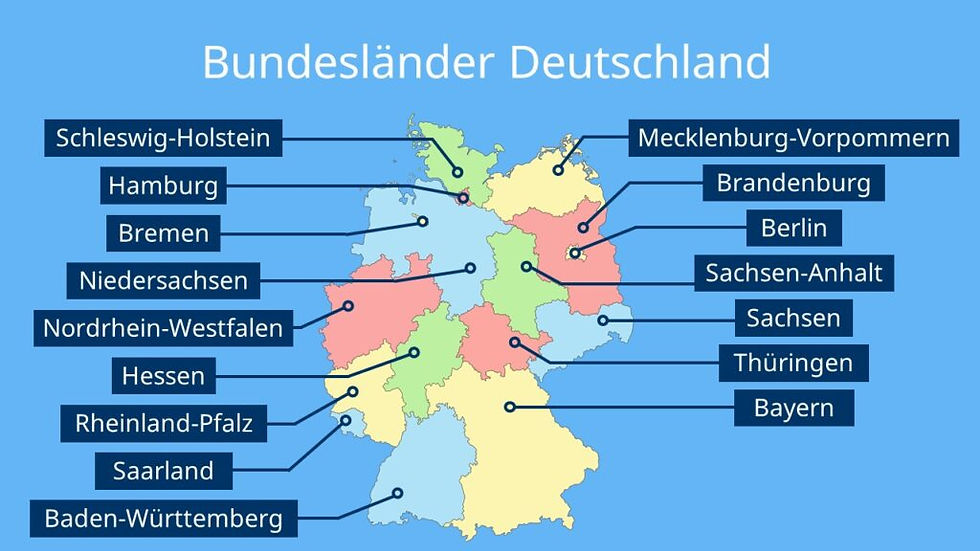
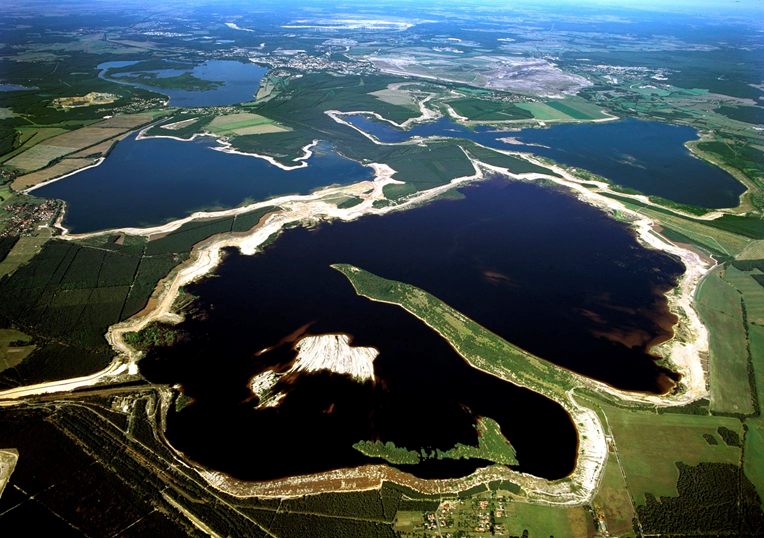
Reunification took place officially at midnight on the 3 October 1990 as the five ‘Länder’ (federal states) of Brandenburg, Mecklenburg-Vorpommern, Sachsen, Sachsen-Anhalt and Thüringen joined the Federal German Republic, alongside the newly-reunited city state of Berlin, which later became the capital of reunified Germany. Despite the speed of reunification, the process occurred entirely peacefully. Over the next decade and a half up to 2005, the German government spent around €1.5 trillion on the economic reconstruction of the former East Germany. This funding enabled the east to catch-up with the west in terms of infrastructure and meant that former East Germany avoided the worst of the downturn of the 1990s, unlike other former Eastern Bloc countries. However, there was still serious economic upheaval and mass-unemployment, as East German industries were privatised and ultimately liquidated, as they could not compete with European rivals. By reunifying, the former East Germany also joined the EEC (later EU) significantly earlier than the other former Eastern Bloc nations, whose accession started in 2004.

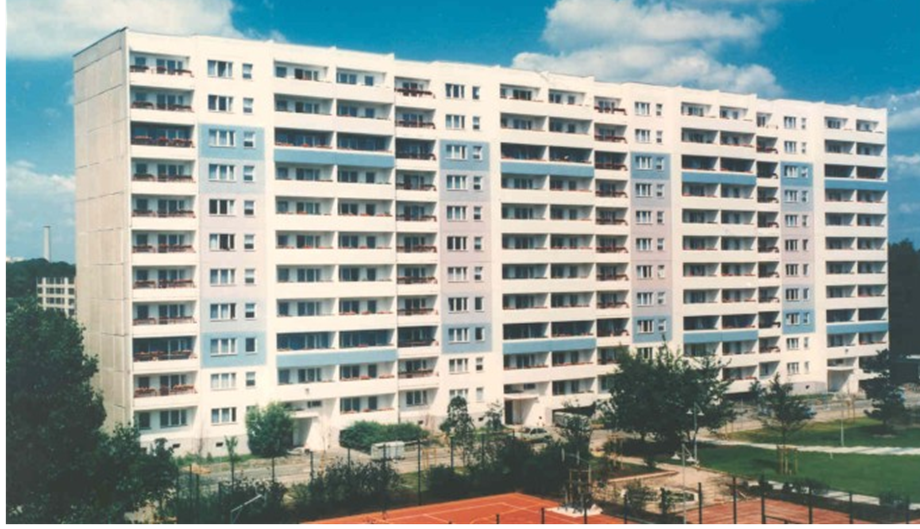
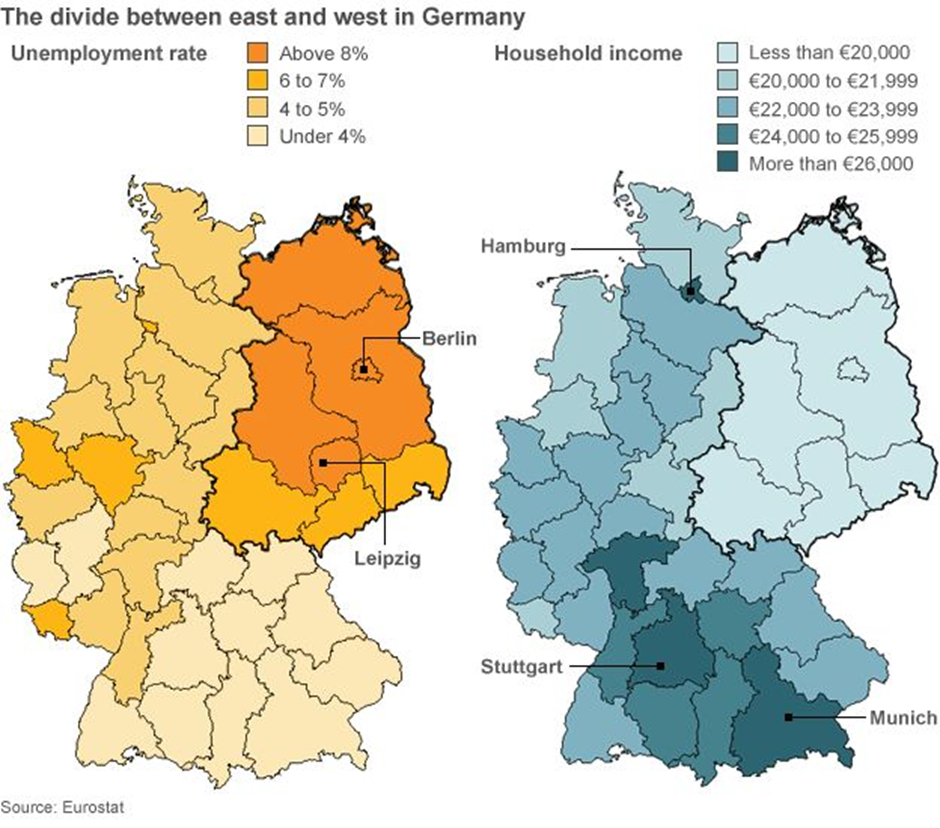
Today, the former East German states are, for the most part, integrated. By 2023, pension levels had been adjusted across the entirety of Germany to be largely equal, whilst infrastructure investments over the decades have meant that the east is now on par with the west in terms of the quality of its infrastructure. However, there are still inequalities in income and wealth. For example, the average annual salary was €12,000 higher in the west compared to the east in 2022 and median savings in the west were three times of those in the east. Additionally, a 2023 survey found that 57% of Germans thought that the former west and east had not “grown together” post-reunification, highlighting that many Germans still believe there is more work to be done to address remaining divisions.
The reason why 3 October was chosen for reunification was that it was a date without historical controversies. While 9 November could have commemorated the fall of the Berlin Wall as well as the proclamation of the German Republic in 1918 and defeat of Hitler's Munich Putsch in 1923, this was also the date of pogroms against Jews across Nazi Germany in 1938.
Every year, official celebrations of reunification are hosted by a different federal state. This year, will be the 35th anniversary of reunification and the celebrations will be held in Saarbrücken, the capital of the Saarland on Germany's western border with France
The theme will be “Future through Change” and, amongst others French President Emmanuel Macron will deliver a speech, the first foreign president to do so in 20 years.

Overall, reunification has been successful in reintegrating what was once a divided country in a peaceful manner, bringing European values of liberty and democracy to everyone in Germany. While there is still work to be done to overcome remaining divisions and inequalities, especially within the economy and German society, reunification provides a useful case study of how to heal divided communities and countries peacefully and how to overcome historical conflicts.


Comments